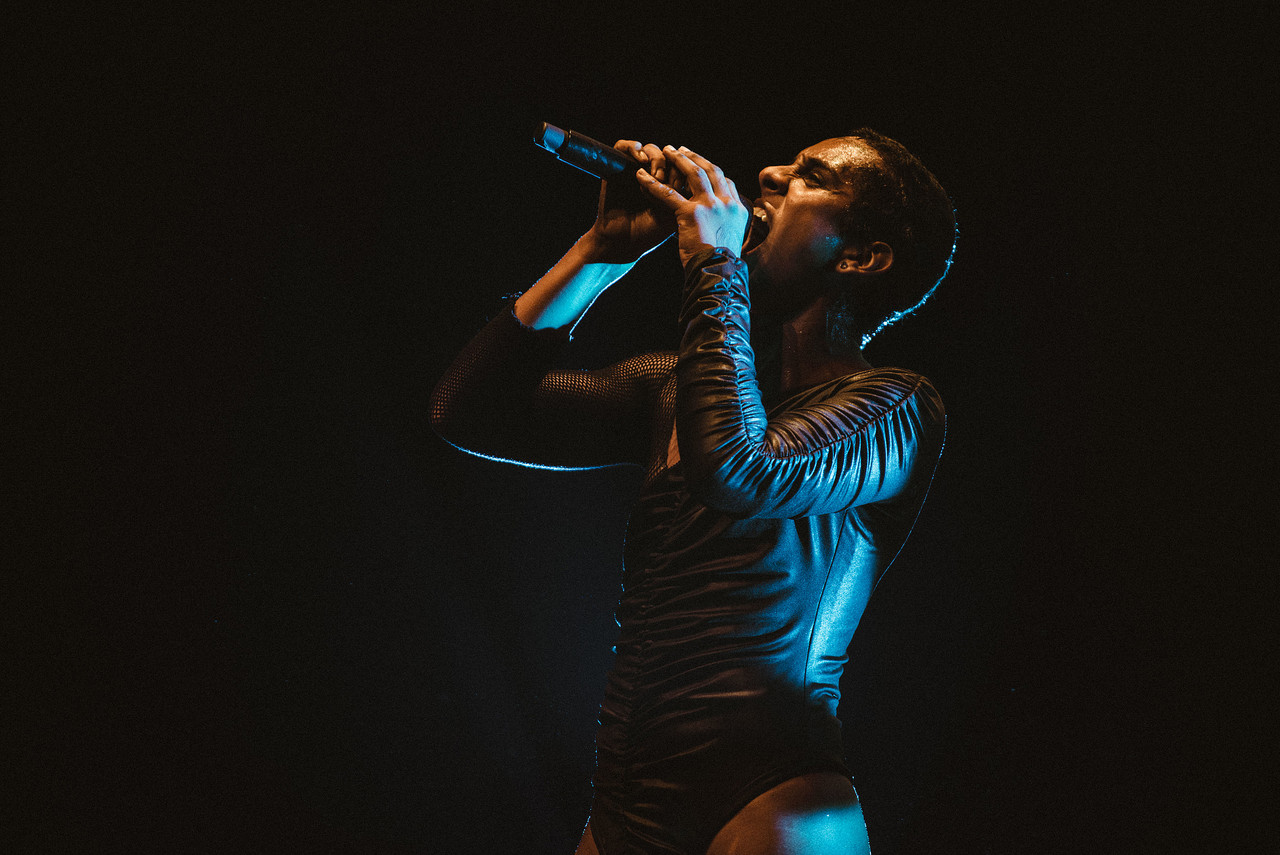
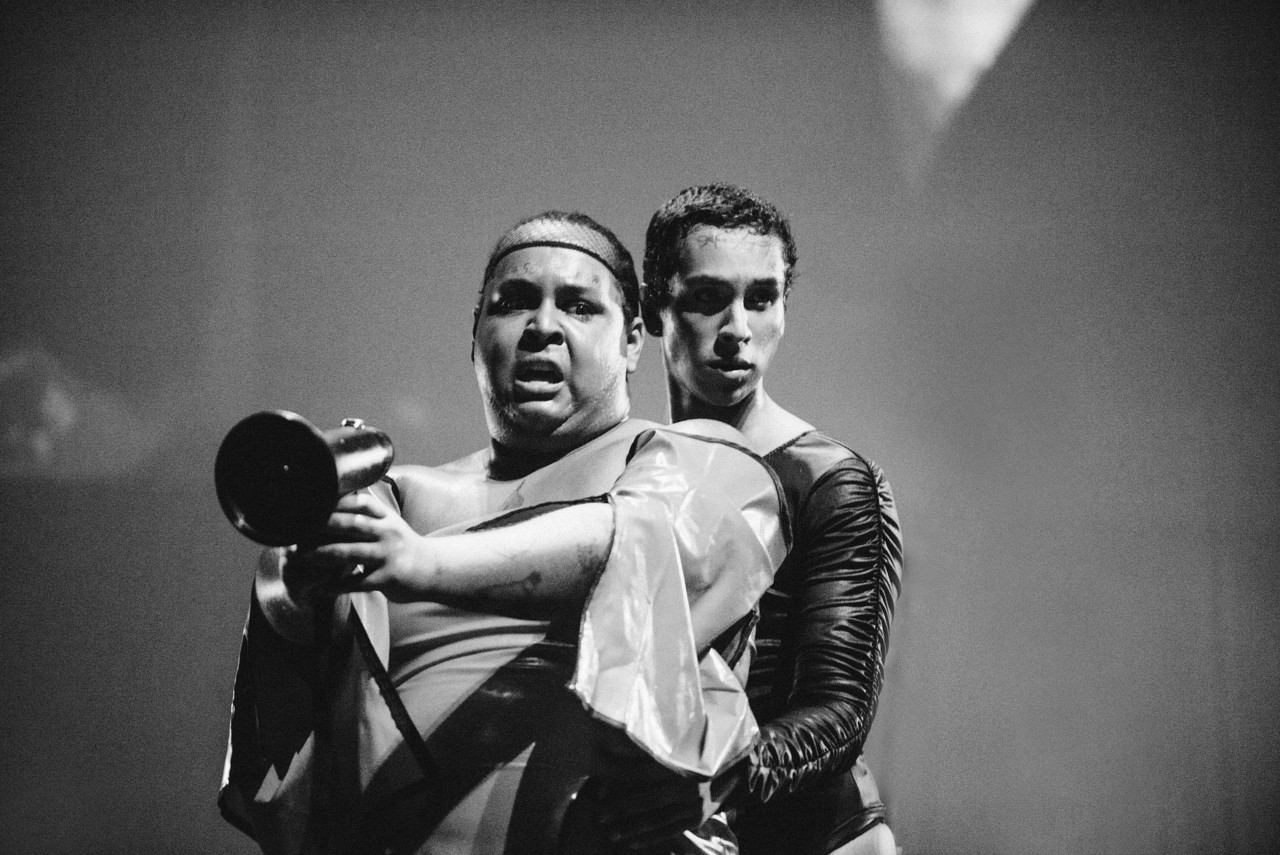
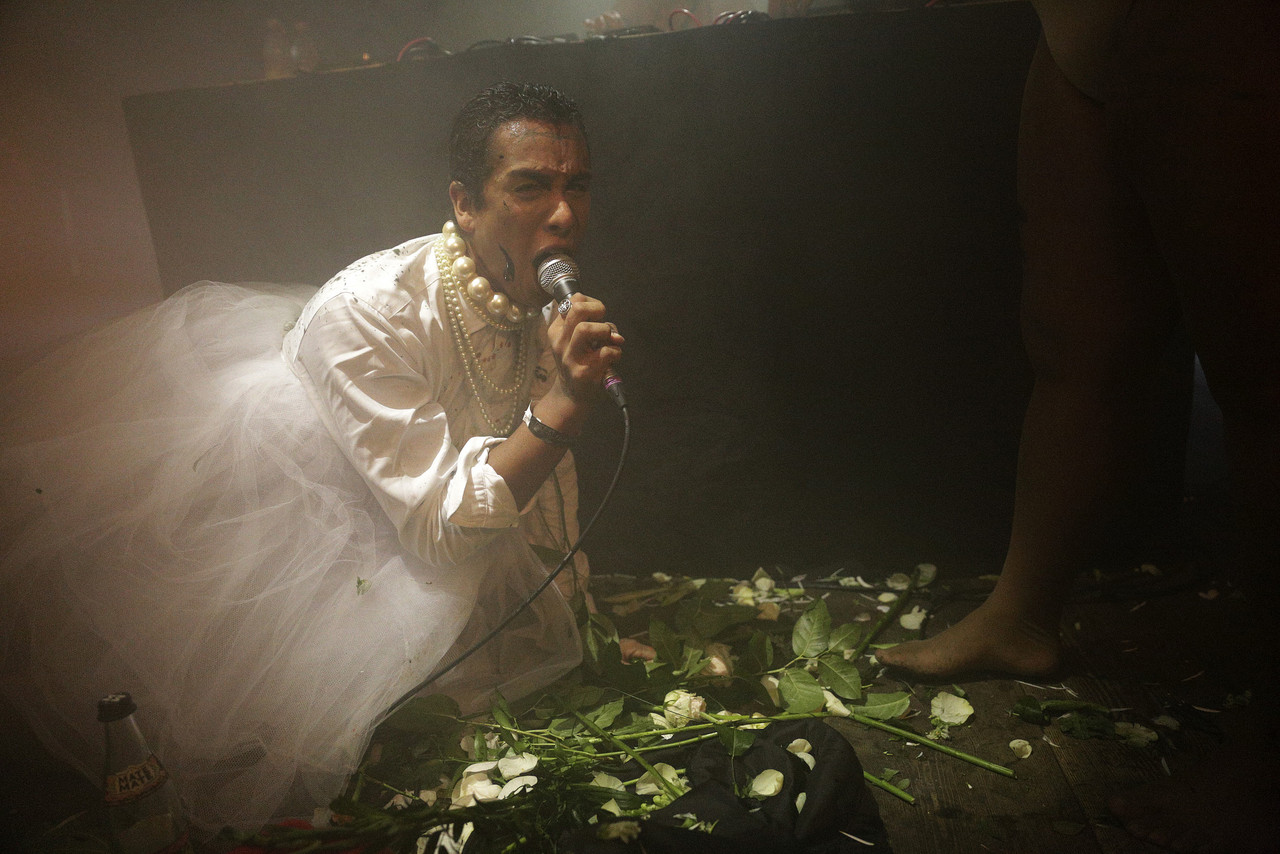
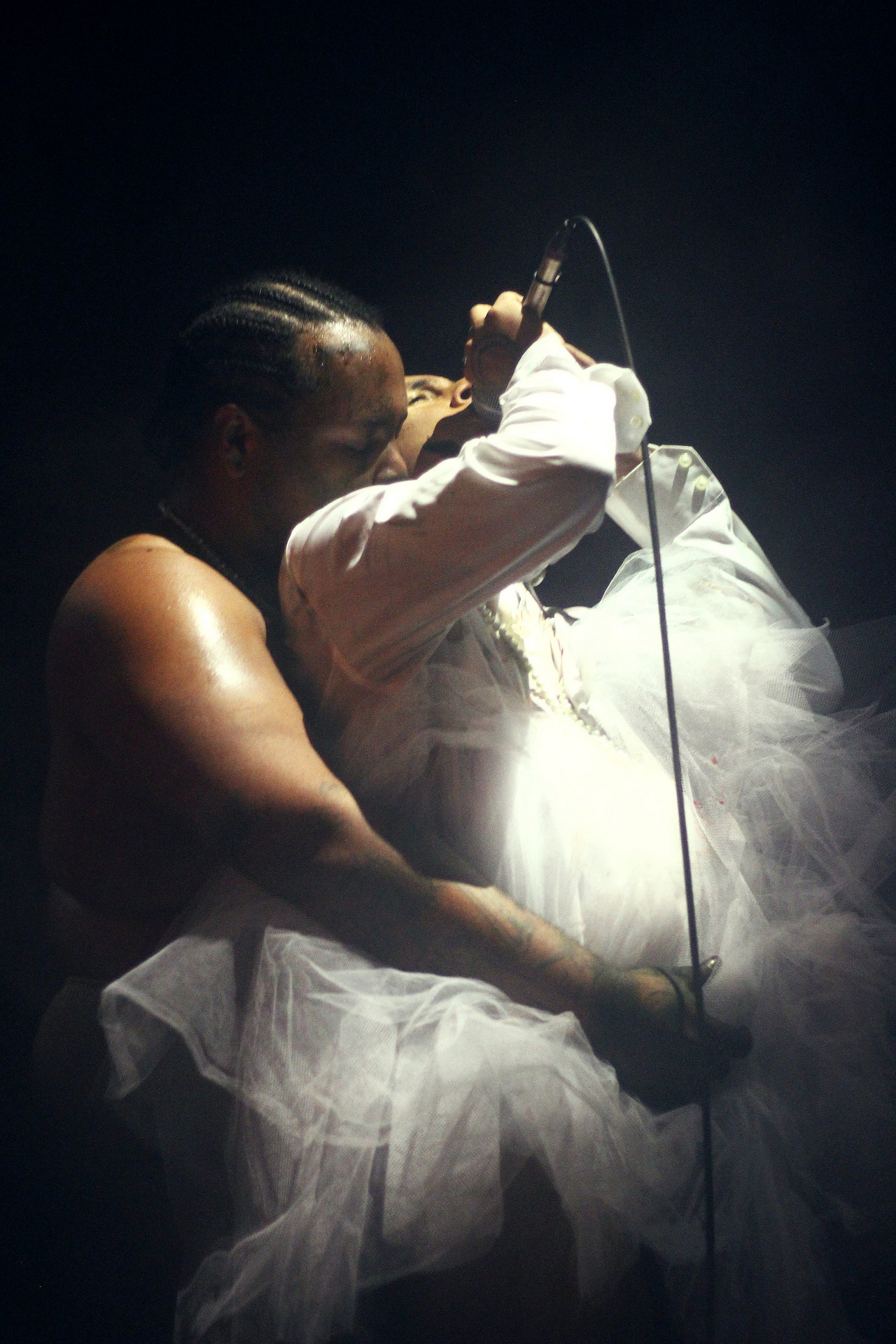
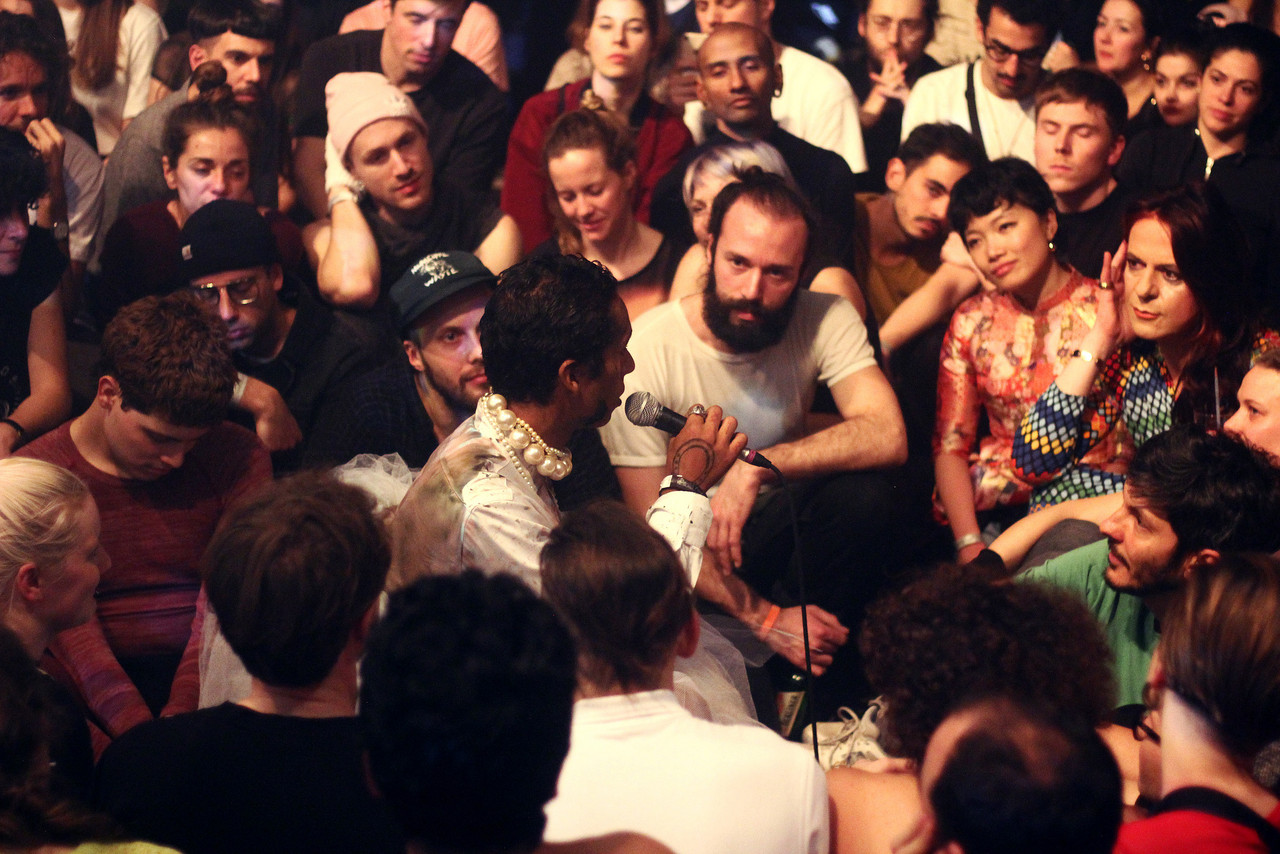
Music is dictating the movement of bodies as they sway against each other. The air is thin, pupils dilate in an attempt to understand the spectacle, and sweat pools together, making the audience forget that outside the temperature is still below zero. Tickets for Linn da Quebrada's Berlin show were sold out in just a few days. Everyone wanted to be present at that unique moment during her stay in the city. Linn had come for the 2018 Berlinale, where she received the Teddy Award for Bixa Travesty, a documentary portraying her trajectory.
Linn da Quebrada is a transsexual singer, composer, and multimedia artist who broke through the Brazilian pop scene in 2016 with the hit, »Enviadescer« (Queering). Her first album, Pajubá, was crowdfunded and released at the end of 2017. Emerging as an MC of the musical style known as funk carioca, Quebrada sought, in her debut album, to find a modern-day sound still connected to her roots, obtaining a mixture she defined as »afro-funk-vogue.« Few people are able to unite the catchiness of pop with avant-garde's aesthetic qualities, a fusion that is present in her lyrics and video clips, as well as in Linn da Quebrada herself.
Quebrada's rise to fame in a country like Brazil, whose current president is an openly homophobic man, may seem contradictory. Since the 2016 coup, the country has been a territory of symbolic and social struggles where reactionary politicians try to hinder all of the progress that women, Black people, and LGBTQI+ people have made over the last two decades. The conservative offensive is also felt on the streets. Studies by the NGO Transgender Europe (TGEu) claim that Brazil is the number one country for assassinations of transsexuals and travestis: from 2008 to 2014, 689 deaths were recorded. According to an investigation by Grupo Gay da Bahia (GGB), 179 deaths were recorded in 2017 alone. The Brazilian Institute of Geography and Statistics (IBGE) states that transsexuals have a life expectancy of just 35 years – half of the national average.
Tai Linhares: When you won the Berlinale's Teddy Award in 2018 for the Bixa Travesty documentary, you spoke very emotionally about the importance of occupying spaces and promoting a »Black queer resistance.« Which spaces did the Linn of 10 years ago wish to occupy? Which of these spaces have you already conquered?
Linn da Quebrada: The Linn of 10 years ago was only 18 years old, and dreamed of occupying the main territory: her own body. I feel that I have made great progress concerning my desires, my affections, anxieties, and decisions. I think that I have been conquering my body. It's a process: alive, ongoing, and constant. I've conquered these territories based on what I wished for and conquered in my dreams; it’s a lot of spaces, you know? Music, cinema, performance, writing... through these, I've been gaining a space beyond my body, and I've been gaining a voice that echoes between us, between our bodies, which has been very important – especially with regards to politics in these current times. I've been really happy with everything we've been building.
TL: What spaces had trans women and travestis occupied in society until then?
LdQ: In Brazil, trans women and travestis occupy many different spaces. Plural spaces, actually. It’s true that there are still many travestis that don't occupy spaces in the job market; travestis that don't get to study; travestis that are expelled from their homes, that don't get to be part of or have a space within a family; travestis that continue to occupy a space in prostitution... On the other hand, we are seeing travestis and trans people occupy spaces in music, in the fashion industry, in cinema, step-by-step, and I think this in itself is very important because we've conquered other possibilities in the social imaginary.
TL: How does Linn want to impact the way that Brazilian society views non-binary people?
LdQ: The impact I want to have, first of all, is on myself. It's an impact that moves me, takes me out of my usual place and my comfort zone. It's the impact that makes me constantly look at the mirror and re-imagine myself. An impact that continues to lead me to transform myself. That leads me to transform myself into several others. That leads me to exactly this kind movement, right? Not only to what concerns non-binary people, but especially to what concerns corporealities, the understanding that our corporealities are multiple and that there are several possibilities of corporealities. And to understand that these corporealities, in turn, lead us to other behaviours. They lead us to new relations, which lead us to other frames and social conditions related to sexuality and gender in an affective, material, and economic way. This is the impact I sought for myself and for the society I live in: a material, social, political, affective, and economic impact.
TL: You present yourself as a multimedia artist. When did you discover yourself as an artist?
LdQ: I didn't discover myself as an artist. I've done and have been doing myself as an artist. For me, being an artist doesn't necessarily mean being in the spotlight, on stages, and in front of cameras. For me, being an artist is the possibility of (re)creating my own existence. My body is my raw material for creation. My body is my work. I was an artist when I began to experiment, incorporate, and elaborate other forms of existence into myself. When I started to produce (my own) thought. When I started to produce collective thought. When I started to use my own body as my own artwork.
TL: How is it being an artist in the quebrada (hood)?
LdQ: Life as an artist in the quebrada also passes through singularities – especially with regard to the stifled possibilities of artistic production inside the quebrada, the trashing of our ideas. The scrapping of marginalised bodies prevents the free circulation of our thoughts, particularly bodies like mine, which carry the gift of uncertainty. I don't make art to produce answers, I don't have many certainties. But I carry so many questions and I've been elaborating many more... These are the questions that stir me and many people around me. Being an artist in the quebrada, for me, also means expanding territory, disputing language and power.
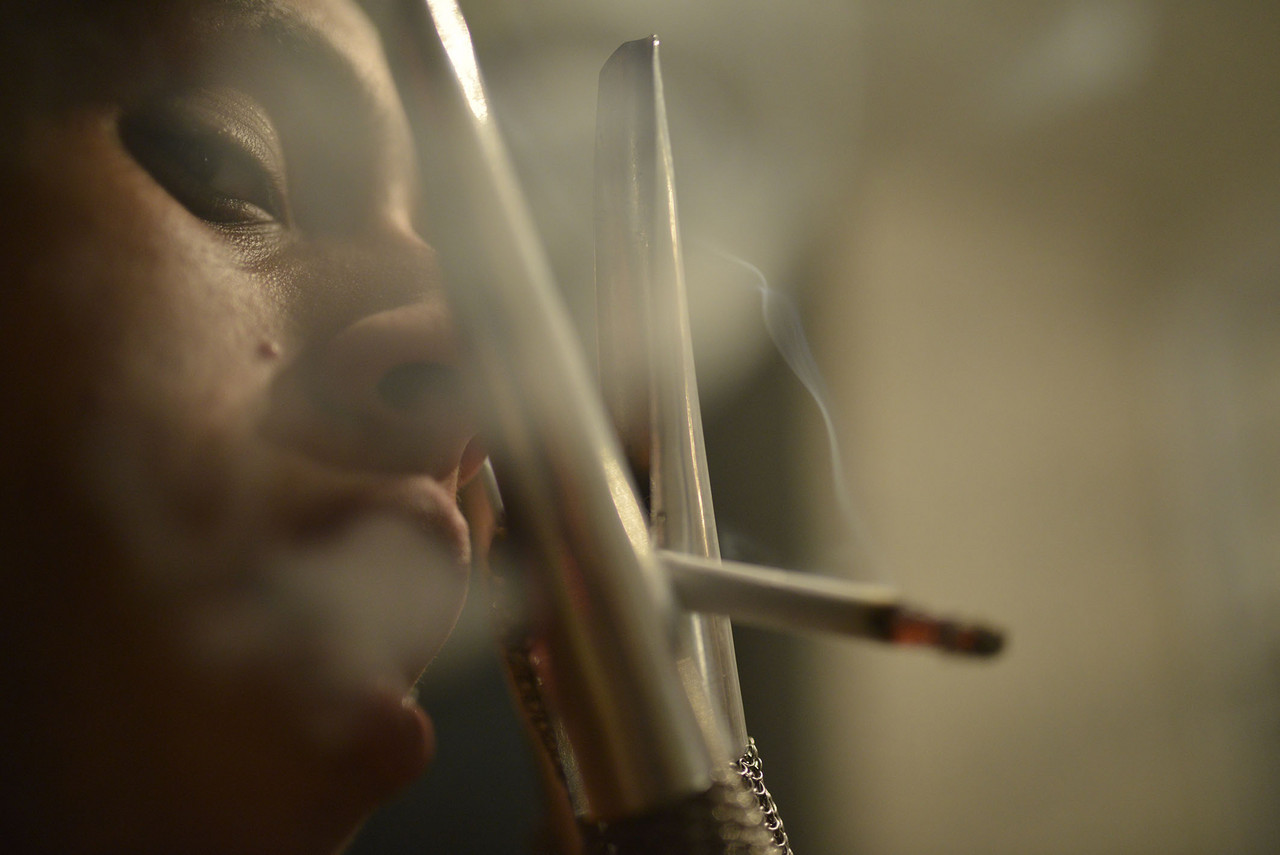
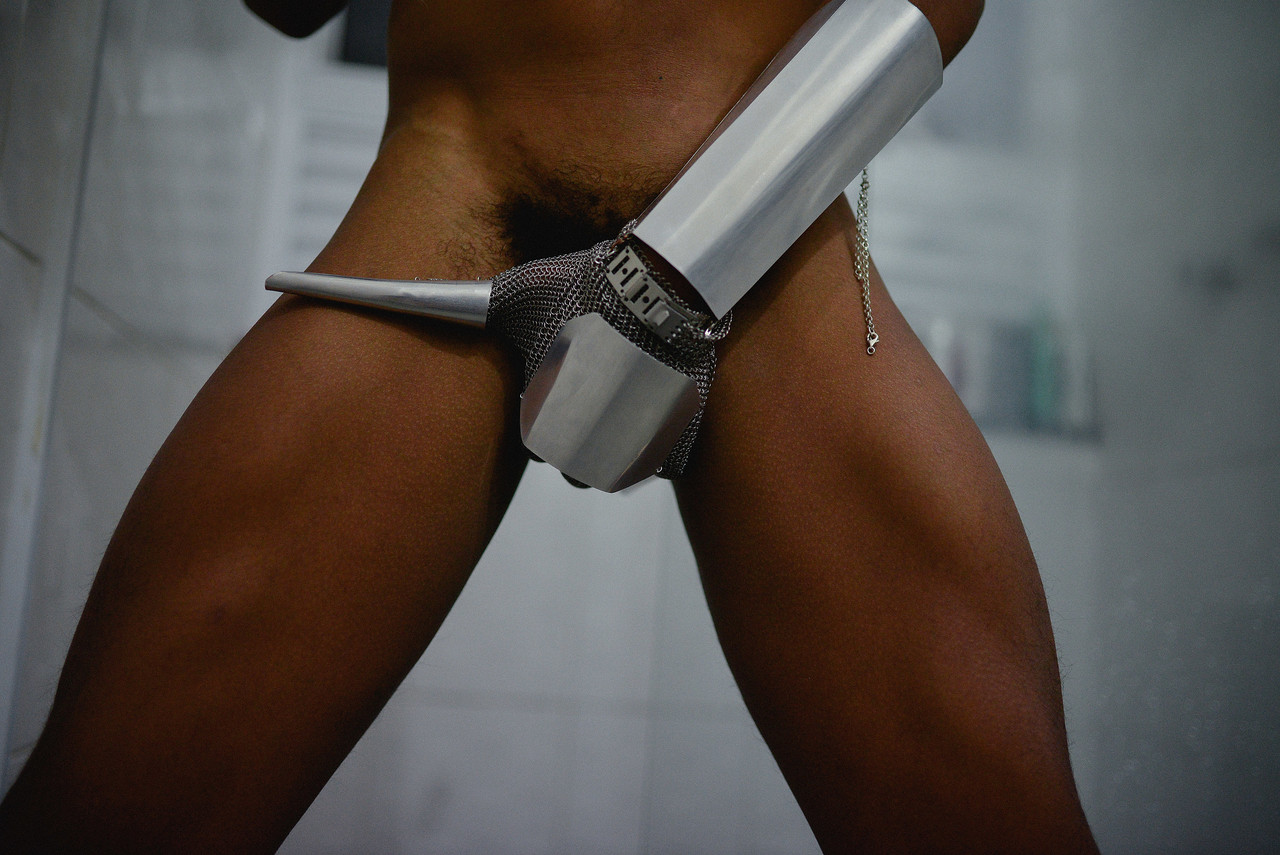
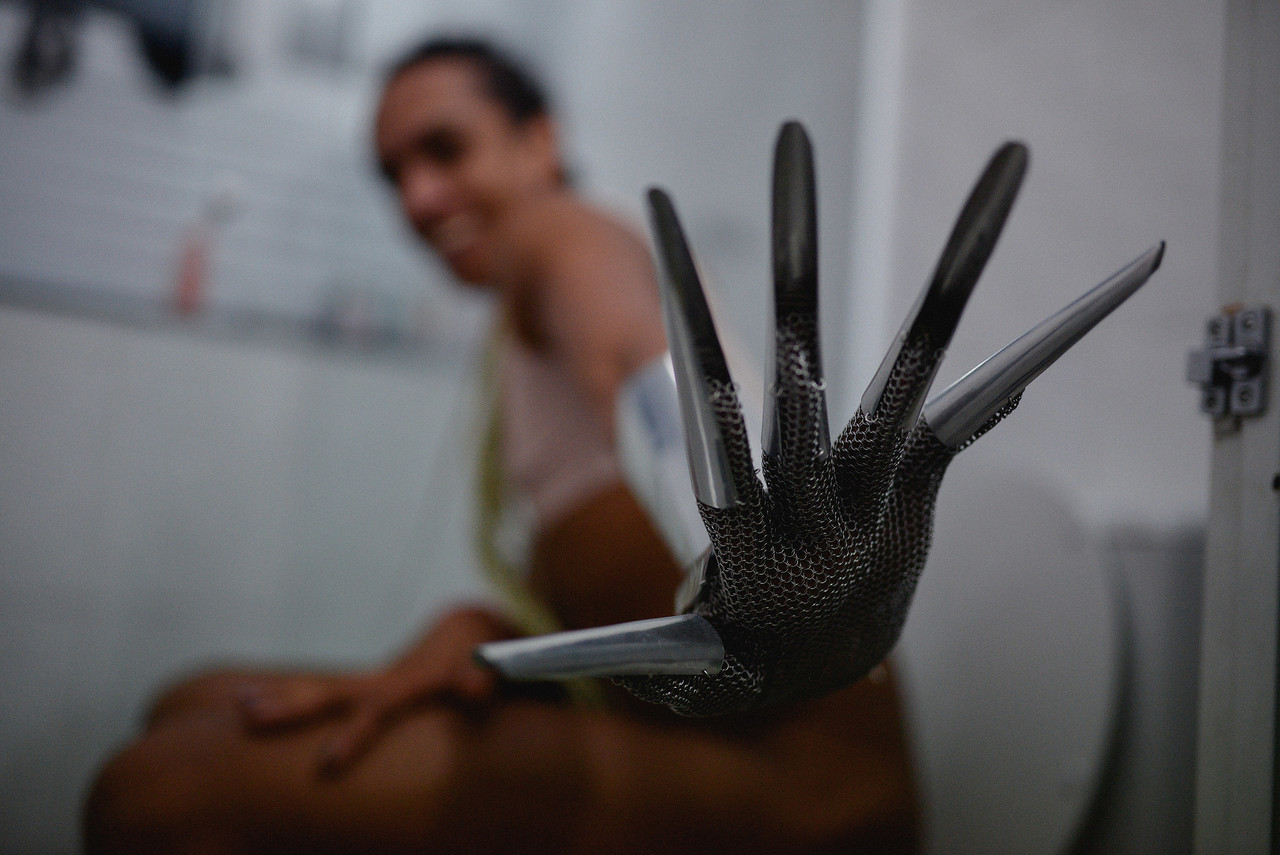
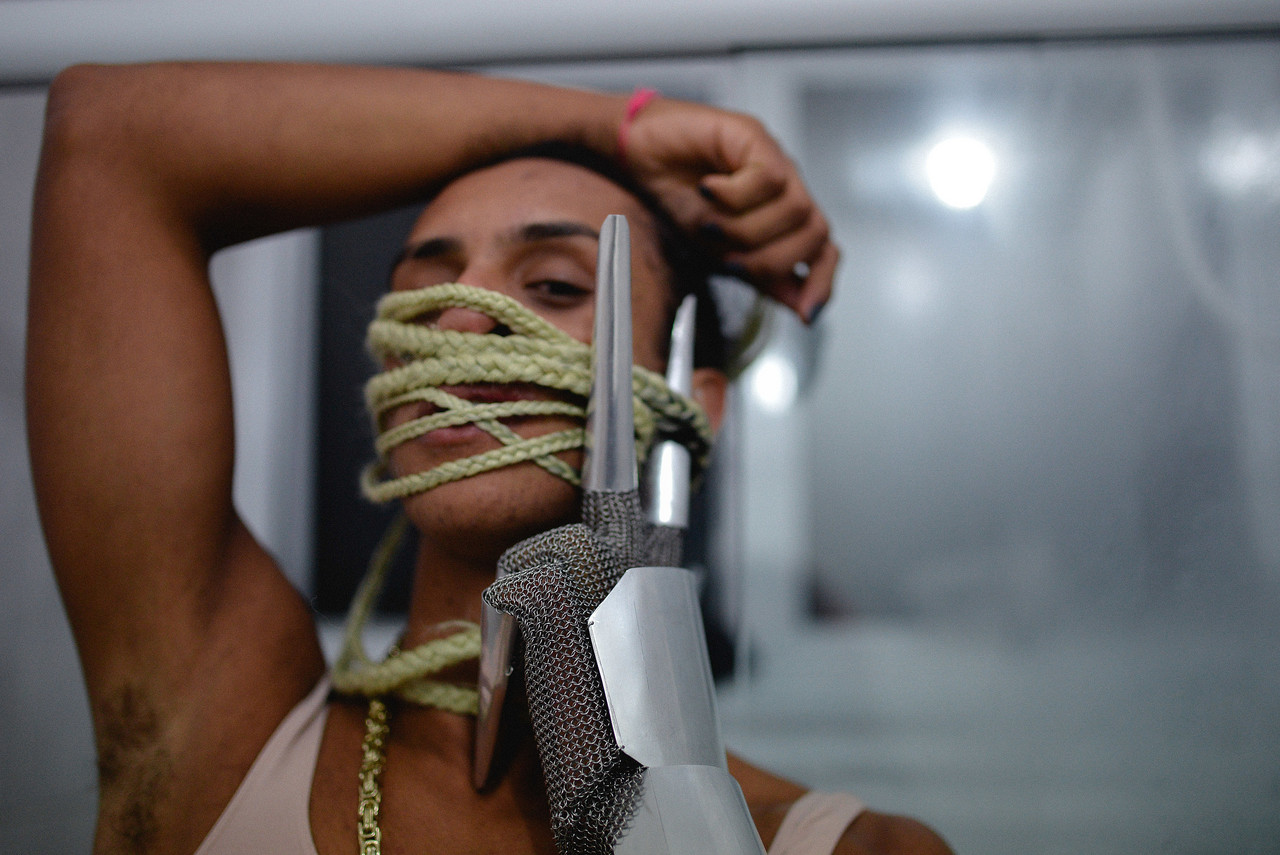
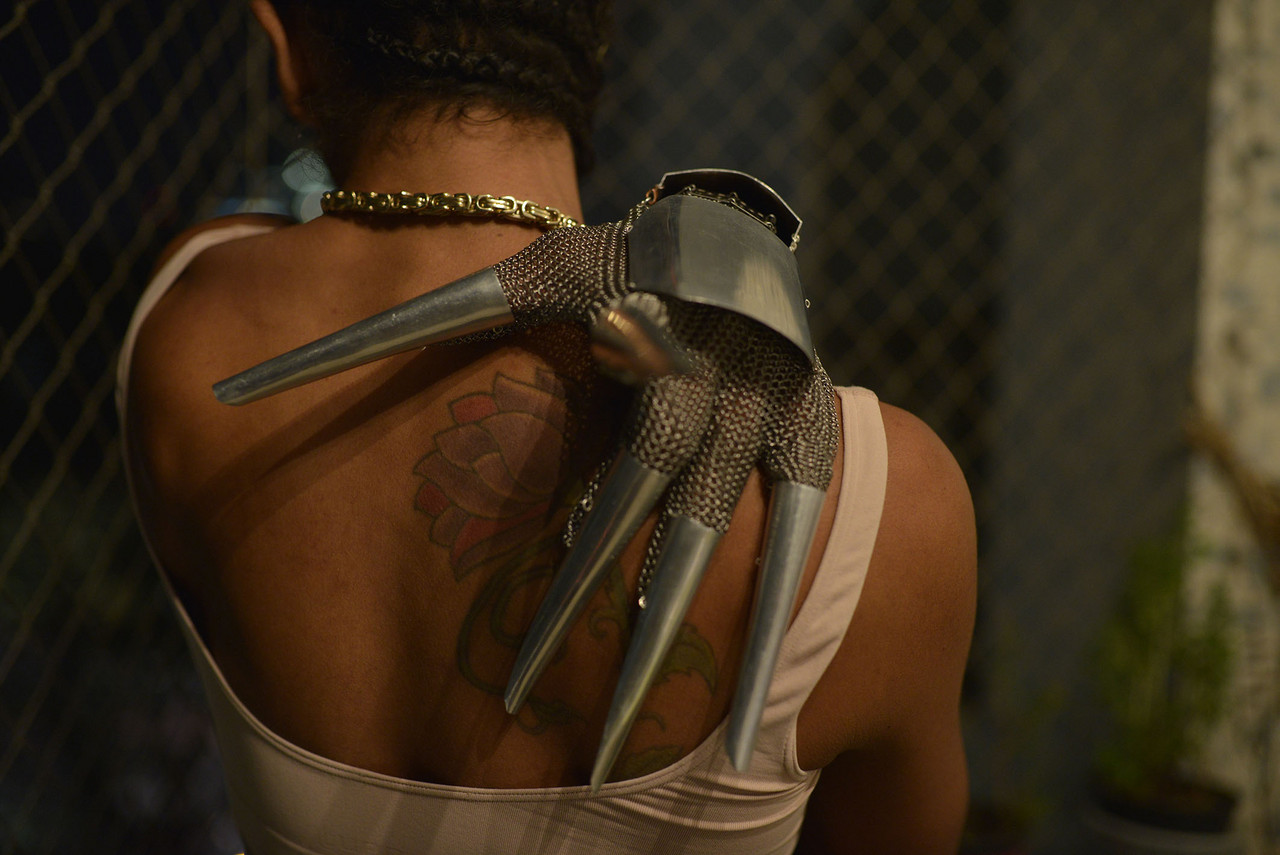
TL: With your music, performance, and recently your entry into cinema, you manage to move between different worlds, from pop to avant-garde art to funk shows, or to being the main attraction in the opening of a festival devoted to contemporary and experimental music. How does the experience of shifting between worlds contribute to your growth as an artist and as a person?
LdQ: The possibility of moving between worlds contributes a lot for me as an artist and as a person because this changes me into several others. This changes the way I think; it places me in front of very different people and situations. This makes me change my own way of thinking, it disturbs and transforms me. I perceive myself as alive and I think there's no greater treasure. All of these things keep me alive, active, present, and acting over my own self.
TL: Black, non-binary, feminine bodies are often objectified and exoticised. How can we decolonise these bodies? Is this a question that is part of your creative process?
LdQ: I don't have a »how-to decolonise bodies« manual. I think this is a matter of perception and study, a constant practice. I'm looking to myself, my theories, my thoughts, all the time, and perceiving how they translate into the real world. And I note the collateral effects and affects that come from my self-perceptions. I think that, even until today, I haven't managed to create and constitute a perception about myself that is free from the gaze and expectations of others. Our existence, our identity, exists through friction. I myself make my body into a work of friction. Not fiction, but friction. And this friction emerges exactly through the encounter between my feelings and the affects which circulate through my body when they meet the other's gaze. Because my body is also text and it's constantly read in several different ways. It's from this encounter and friction that our identities emerge.
This is a question that often goes through my creative process and it's precisely because of it that we can speak of different topics and create diverse things without being restricted to talking only about our experiences and ourselves. I have an entire universe inside me. And I want to and can talk about this entire complex universe, which is sometimes very different from myself. Because it’s exactly when I experiment with myself and put myself in check that I transform. And this is the moment when I want to talk about other things, to come up with other questions, and to explore other issues. I'm tired of feeling the same things through my own perception of my own self or encounters with the gaze of the other. I want to talk about new things in order to feel new things.
TL: Your lyrics talk about sex in an explicit manner, dismissing the false shame present in funk music which often chooses metaphors that objectify the act of sex (sit, bounce, get down, up). What concerns accompany your compositional process? What effect do you wish to achieve when creating your lyrics?
LdQ: When I compose, I also decompose myself. I start by decomposing the words that are circulating in my thoughts. I constantly ride my thoughts, seeing where they lead me, noticing which thoughts are already encrusted/embedded in my body, in my mind. Certain words, terms, phrases, and sentences accompany me for a while, and I try to decompose and transform them into others. I use this process of composing and decomposing so that I can incubate my own thoughts in myself, be my own doctor, and create my own monster. My music is both the virus and the antidote. And so, I use my process as magic. As spell and charm. So that I am able to cast spells that were previously unachievable. So that I can reach the tough and ancient parts inside me, parts that are often ancestral, and so that these parts can [sigh] decompose. Vanish. So that I can destroy things in myself. So that I can create other things inside me. I create my music as magic and spells, as charms. This is primarily aimed at myself. I make my music into a weapon, I make a tool of it. I make from my music an oar, and I paddle to other places, against the tide. Against the tide of my own feelings.
TL: The body is your media, through it you rebel. What is your strategy to deal with the vulnerability resulting from exposing your body? How do you deal, for example, with hate speech on the internet?
LdQ: My strategy to deal with vulnerability is to deal with my own vulnerability. Not to pretend it doesn't exist, but to perceive where it comes from, and especially to transform my fragility into potency. That's when I transform. I'm working with my vulnerabilities, my shapes, my limits, all the time to gain new limits, shapes, and a new aesthetic. One that is not static. My work comes from my fragility, from what's pointed out to me as fragility. The feminine inhabiting my body. The melanin existing in my skin. My colour, my behaviour. The things that I’m told imply frailty and weakness are what I transform into power and potency. And into a strategy of resistance. I look at hate speeches on the internet and see how they're shallow, often cowardly, discourses because they rely on threats. They come from the political strategy of fearmongering, to set us back. To make us doubt our own strength. From the shallow and retrograde nature of these discourses, I sense how their creators/perpetuators feel threatened. Why are they attacking us? What's in me that bothers other people so much? Why do they attack me? What do they want to kill in me? Or maybe I’m a reflection of something that also lives in them?
TL: We’ve seen the rise of the far-right movement in Brazil, leading to the election of an openly racist, sexist, and homophobic president. Historically, right-wing movements target any form of »deviant« sexuality. How can sex, intimacy, and affect help us when thinking about politics at this time?
LdQ: Sexuality is not necessarily the sex we have in private. This kind of sex doesn’t bother these people in power and their conservative system. It is not necessarily about whether or not you are having sex. It's about how homosexuality, transsexuality, and Blackness as movements disarticulate the system. If we look at identity issues radically, it will transform our relationships. Identity issues are material and concrete. This transforms the maintenance of this economic and power system, because our forms of sexual and affective relationships build families. They dislocate money and distribute assets. They distribute, affect, collaborate, and stimulate our existence. Or our end/withdrawal. I think that, for these far-right movements, the danger lies precisely there. Because if we rethink our sexuality, affect, and intimacy in a political way, it can shift the gears of our material and economic system. Beyond a shift in power, it signifies a real economic and financial change. Our love benefits the bodies around us. Looking at this in a radical way makes us perceive which bodies benefit, and makes us start subverting the system’s order and elaborating other networks between us. Not only the sexual and affective ones; let us also start elaborating other economic, territorial, and material networks. So that we manage to stay alive and with dignity. And this is frightening, because we're talking again about disputes: or power and language.